Home office – the art of creating a workspace that works for you
Remote work has redefined what it means to be productive. The structure of a traditional office—its routines, atmosphere, and interactions—has been replaced by the challenge of designing a home office that fosters focus, creativity, and balance. For some, this transition has been seamless; for others, it has required continuous refinement. The key to making it work? A space that is as dynamic as the tasks it supports.
Home office – the underestimated role of atmosphere
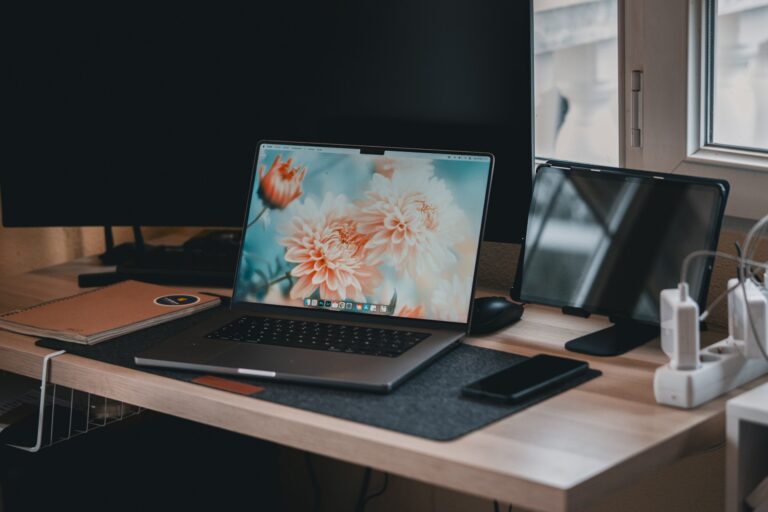
When setting up a home office, most people focus on furniture and technology—comfortable chairs, ergonomic desks, high-speed internet. Yet, beyond these essentials, it’s the atmosphere of a workspace that dictates motivation.
The relationship between productivity and environment is psychological. Light, colour, and texture influence how the brain processes information and manages energy levels. A dull, cluttered space can drain enthusiasm, while a thoughtfully arranged room encourages mental clarity.
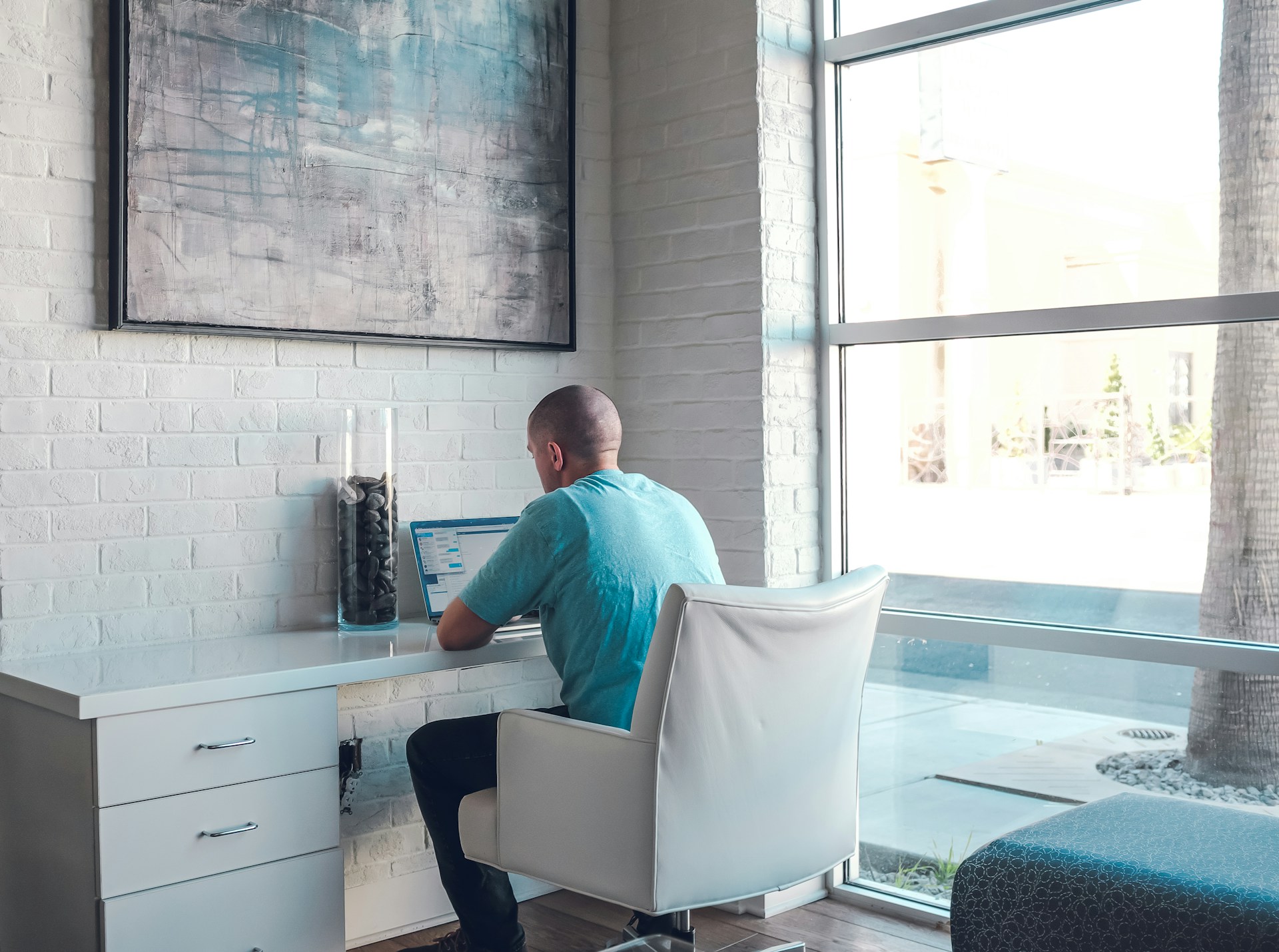
- Natural light: Exposure to daylight helps regulate the body’s internal clock, reducing fatigue and boosting alertness. A workspace near a window or enhanced with daylight-mimicking lamps improves focus throughout the day.
- A balanced colour scheme: Subtle blues and greens promote concentration, while warm tones like terracotta and mustard create a sense of comfort. Striking the right balance depends on the nature of work—deep focus may require cool hues, while creative work flourishes in warm, inspiring spaces.
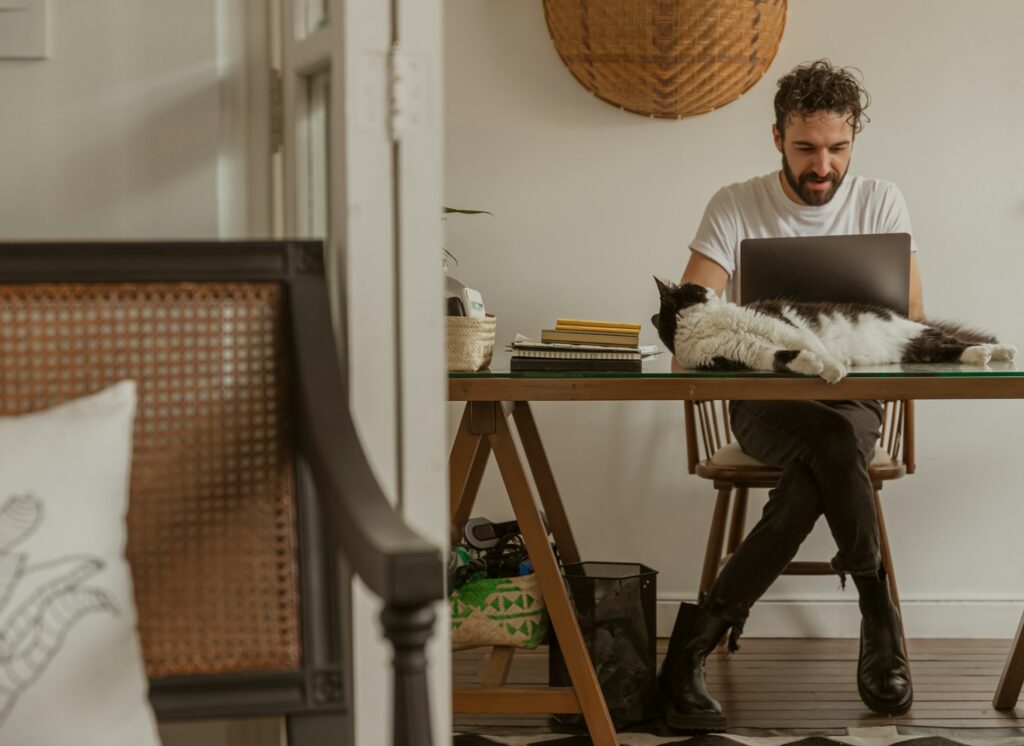
- Textural contrast: A sterile desk with only hard surfaces can feel impersonal. The introduction of soft elements—woven rugs, fabric chairs, or wooden accessories—warms the space, making long hours more enjoyable.
A productive home office is one that feels comfortable yet energising, inviting you into work mode while ensuring you don’t feel confined.
Flexibility is the foundation of a good workspace
Many professionals spend years adjusting their home office to suit their needs. What works today may not be effective six months from now. The modern workday is fluid, and a workspace should reflect that adaptability.
This doesn’t mean constant redesigns, but rather an awareness of how work patterns evolve:
- If focus is an issue, repositioning the desk or minimising background noise could make a difference.
- For those who rely on brainstorming, adding a pinboard, a standing desk, or even an alternative seating area can break the monotony.
- A modular setup—desks with detachable components, shelves that can be rearranged—ensures that as needs change, so does the space.
The best home office isn’t static; it grows with its user, adapting to projects, seasons, and work habits.
The overlooked power of movement
A workspace should encourage movement, not restrict it. Unlike office environments that naturally incorporate walks to meeting rooms or coffee stations, a home office can become sedentary if not designed with mobility in mind.
Simple changes can combat the physical stagnation that comes with long hours at a desk:
- A height-adjustable desk allows seamless transitions between sitting and standing.
- Designing the space with multiple zones—a reading chair for breaks, a secondary table for brainstorming—encourages movement without disrupting workflow.
- If space is limited, even shifting posture regularly or stepping away for scheduled short breaks can improve circulation and concentration.
A well-structured home office isn’t just about where you work but also how you interact with your surroundings.
Creating a boundary between work and home
One of the biggest struggles of remote work is the disappearance of clear distinctions between professional and personal life. Unlike an office setting, where the act of commuting creates a psychological shift, working from home blurs the lines between being „on” and „off” duty.
Establishing rituals can help reinforce that transition:
- Starting the day with a morning reset—a walk, reading, or journaling—signals the shift into work mode.
- A dedicated end-of-day routine, such as physically packing up the workspace or dimming the lights, signals the end of work.
- Using separate spaces for work and relaxation (even if it’s just a designated chair for work hours) conditions the mind to associate locations with specific activities.
A home office should be a space that supports productivity during work hours but disappears from the mind once the day is done. Creating that boundary ensures that working from home remains sustainable.
Home office – an ever-evolving space
A workspace is not just a desk—it’s an evolving system of habits, tools, and surroundings. The best home office isn’t perfect from the start; it is refined over time. The more intentional the approach to work environment design, the more effective it becomes.
A space that adapts, breathes, and supports work in all its complexity transforms from being merely functional to being truly empowering.